Graeco-Roman Museum route brief
Ptolemaic sculpture, mosaic halls, and the ten-minute walk to Kom el-Dikka ruins.
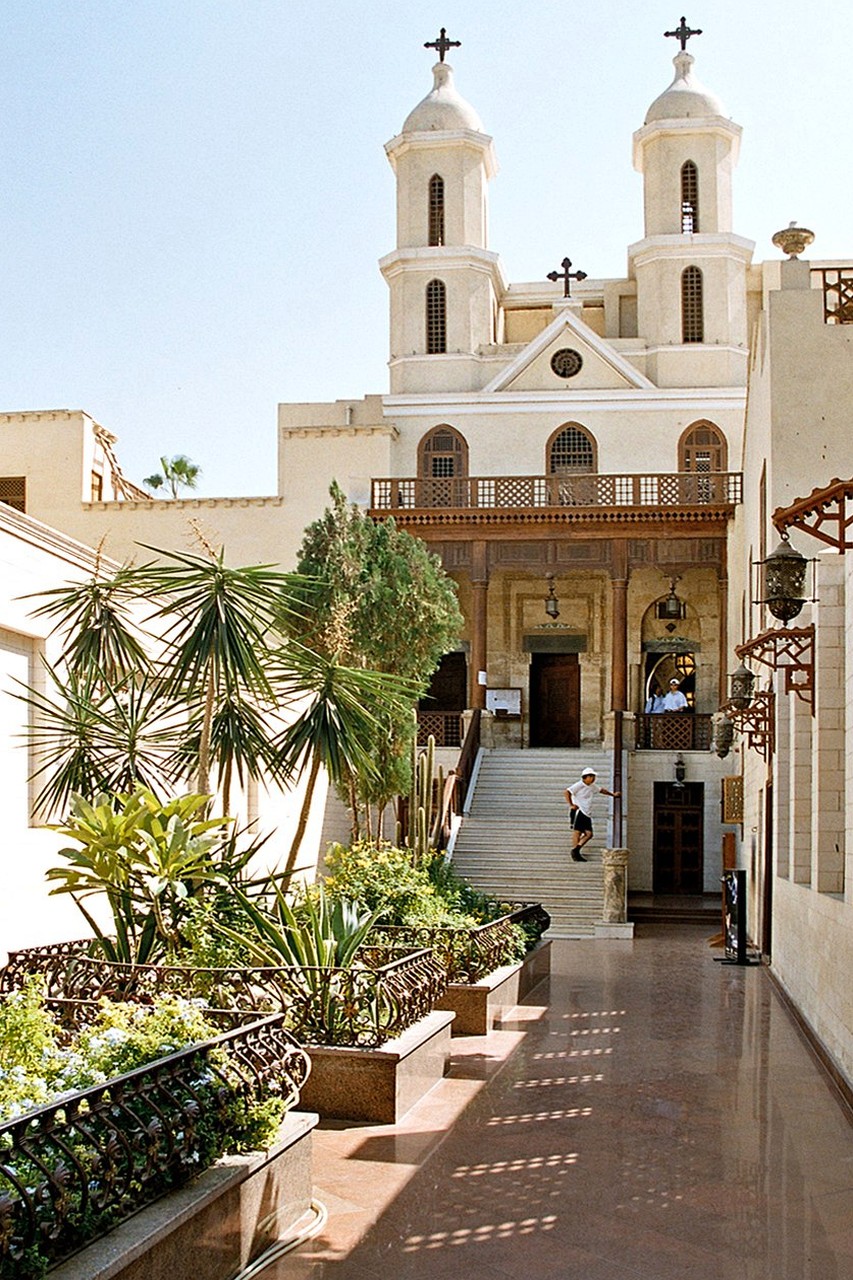
The Graeco-Roman Museum anchors Alexandria's Ptolemaic story between the harbour and downtown microbus arteries. After years of conservation-driven partial closures, galleries reopen in phases—meaning a blog post from last season may describe wings that are now shuttered for humidity treatment. Alexandria Museum Pass Desk verifies Arabic maintenance bulletins weekly so Corniche Walker and Coordinator pass sheets do not send you to locked mosaic rooms.
Gallery priorities for first-time visitors
Ground-floor sculpture halls display Ptolemaic royal portraits and Roman civic statuary recovered from urban construction sites. Upper levels host smaller bronzes, domestic artefacts, and textile fragments behind climate glass. Mosaic rooms draw the longest dwell times; plan seventy minutes minimum if you read bilingual labels. Photography without flash is typically allowed in sculpture halls but restricted near fragile textiles—confirm at the ticket desk on entry day.
Karim Fouda recommends arriving after 13:30 on weekdays when Alexandrian school groups clear, or Saturday before 11:00 before families queue. Pair the museum with Kom el-Dikka Roman amphitheatre three blocks south: exposed stone seating heats by noon, so sequence Graeco-Roman indoors first, then amphitheatre when shadows lengthen.
Tickets and access
| Category | Indicative fee | Tip |
|---|---|---|
| Foreign adult | EGP ~180 | Bring cash backup |
| Student | Discounted | ISIC or university ID |
| Kom el-Dikka combo | Separate ticket | Bundle walking time in pass |
Connecting to Bibliotheca and Qaitbay
Afternoon Graeco-Roman follows morning Bibliotheca Alexandrina in our most popular Corniche Walker loop. Walk or microbus west toward Saad Zaghloul, then east along the harbour for evening Qaitbay Citadel. Total walking can exceed five kilometres; we insert coffee stops at Rushdy tram cafes and note public restrooms near the museum garden.
Shore excursion clients often skip Kom el-Dikka to save forty minutes for pier return. Coordinator tier includes explicit taxi pickup coordinates at the museum side entrance facing the street with Arabic address cards for drivers.
Accessibility and comfort
Main entrance ramps serve wheelchair users; some upper galleries lack elevators—staff may guide alternate routes. Air-conditioning is reliable indoors, making this museum a midday heat refuge between outdoor Corniche segments described on alexandria-corniche-walks.html.
Research visitors
Archaeology students should request label photography permissions at the desk; tripods are rarely approved. Combine with day tour modules if you need Montaza or National Museum comparisons same week.
Book Corniche Walker pass · Tram directions
Highlight artefacts to budget time for
The black basalt statue of Apis bull draws consistent crowds—view early or late in your museum block. Tanagra figurines and Fayum portraits reward slow reading for art history students. Mosaic floors near the central atrium photograph best when sun angles through upper windows after 14:00; pass sheets note seasonal sun azimuth roughly.
Kom el-Dikka amphitheatre addendum
Roman amphitheatre ruins sit amid residential blocks south of the museum. Ticket is separate; allow thirty minutes for tier seating photos. Uneven stone and minimal shade make this a poor midday stop—sequence after Graeco-Roman indoor galleries. Combine with Corniche segment C only if energy remains.
FAQ
Are English labels complete?
Major sculpture halls are bilingual; some storage wings are Arabic-only with summary panels.
Is cafe food available inside?
Small cafe near entrance; many clients prefer Corniche lunch after the visit.
Can I sketch in the galleries?
Pencil sketching may be allowed away from flash photography zones—ask desk staff on entry.
National Museum alternative
When Graeco-Roman wings close for conservation, Alexandria National Museum offers broader Egyptian context with air-conditioning and smaller crowds. Coordinator tier pivots include National Museum timing and taxi fare from Saad Zaghloul—usually fifteen minutes off-peak.
Conservation updates
Mosaic halls may rotate access while humidity sensors stabilise. Karim posts weekly status internally; pass sheets cite wing colour codes: green open, amber partial, red closed with substitute venue. Do not rely on travel blogs older than six months for Graeco-Roman floor maps.
Label reading strategy
Start ground floor clockwise, upper bronzes second, mosaics last when legs tire. Audio guides are limited—book at desk if available. Combine ticket with Kom el-Dikka only when pass sheet confirms both open same afternoon.
Karim logs school-group density each Monday; Graeco-Roman arrival windows on your sheet reflect that week's observation, not generic opening hours.
Sketch and study visits
Art students should request pencil policy at the desk; some halls allow sketchpads away from mosaic flash zones. Allocate extra thirty minutes if you plan measured drawings of Ptolemaic busts for coursework submission. Contact us for group study timing.